High-Quality Carbon Removal Portfolio

Diversified Carbon Sync Portfolios

By prioritizing depth over breadth, we manage projects to the highest quality and precision. Each project follows strict international certification standards certified by the best Global Carbon Standard Providers.

Due Diligence

Tested carbon removal technologies.

Our environmental and sustainability experts are driven by a common vision: removing CO₂ using tested carbon removal technologies. We leverage technology-driven, nature-based, and hybrid pathways to deliver impactful climate actions, while solving biodiversity, social justice, cost-effectiveness, and risk management issues.

ISO14001 Standards

Evaluated objectively using our proprietary Environmental Management System due diligence.

Co-Benefit Delivery

Focused on designing projects that deliver maximum social, biodiversity, and job co-benefits.

Active Portfolios

Explore Our Projects

Click on any project below to navigate directly to its detailed overview and environmental metrics.

Soil First Project
Soil Regeneration

Soil First Project

(Soil Carbon)

📍 Location:UK (Hampshire, Wiltshire and Dorset)
Target Scale
200,000 Ha
Carbon Goal
5.8+ t C/ha/yr
Biochar Production and Usage from Crop Waste/Residues
Biochar Production

Biochar Production and Usage from Crop Waste/Residues

📍 Location:Central Nigeria (Across 38 Communities)
Farmers
2,000+
Partner
Top City Enterprise
AFRI-Carbon Initiative: Cocoa & Palm Waste
Biochar Sequestration

AFRI-Carbon Initiative: Cocoa & Palm Waste

📍 Location:Southern & Central Regions, Nigeria
Target Sequestration
25M Tons
Key Target
50,000 Trained
Locally Adapted Clean Cookstoves
Clean Cookstoves

Locally Adapted Clean Cookstoves

📍 Location:Ghana and Nigeria
Focus
Carbon avoidance
Target
Rural women
Agroforestry & Reforestation
Reforestation

Agroforestry & Reforestation

📍 Location:Nigeria and Sierra Leone
Trees planted
2,000,000
Coverage
2,500 Ha
Biogas Production and Usage from Food Waste
Biogas Production

Biogas Production and Usage from Food Waste

📍 Location:Nigeria & Liberia
Feedstock
Food Waste
Output
Biogas + fertiliser
Soil First Project
Core SDG Targets
SDG 13SDG 15SDG 6
Soil Regeneration

Soil First Project

(Soil Carbon)

Project Overview

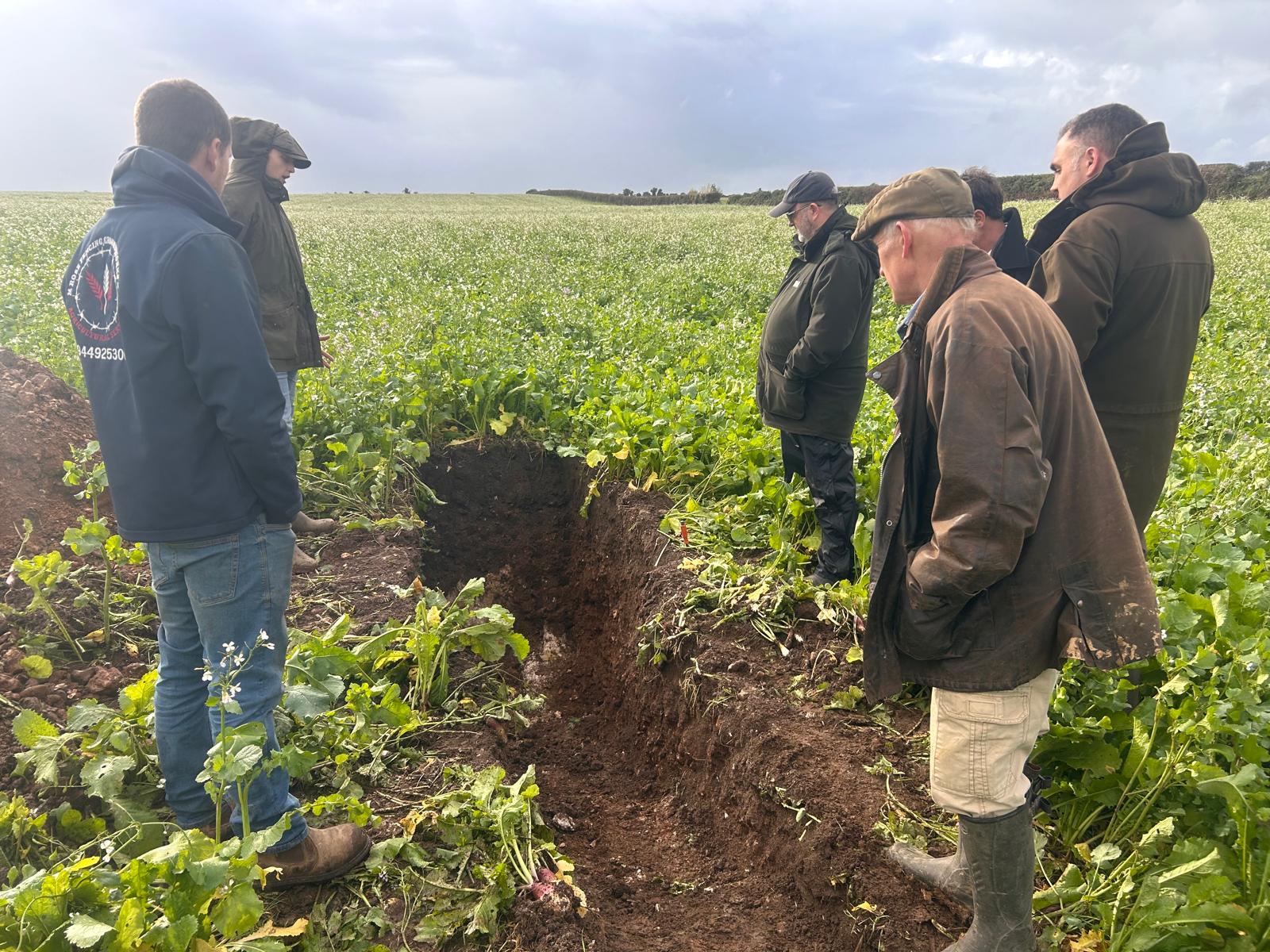
The Soil First Project is designed to revolutionise the UK’s Natural Infrastructure through Deep-Soil regeneration. The UK stands at a critical environmental crossroads. With only 14% of English rivers achieving good ecological status and agriculture contributing up to 60% of nitrate pollution, the traditional reliance on synthetic inputs and surface-level mitigation is no longer viable. Soil First Project meets this challenge by activating the UK’s most underutilised natural infrastructure: its soil. Leveraging B-Sol®, a UAB certified biological soil inoculant containing over 28,000 microbial strains, the project focuses on 'Carbon Depth,' a science-driven approach to sequestering carbon vertically, storing it deep within the soil profile (30-60 cm) where it is most stable and impactful.

Carbon Removal Potential & Benefits

  • Sequesters 5.8+ tonnes of carbon per hectare annually, with 26% stored deep (30-60 cm).
  • Near-zero nutrient leaching (phosphates < 0.07 mg/l, nitrates < 0.4 mg/l), exceeding Environment Agency standards.
  • Improves crop gross margins by up to 23% by reducing synthetic fertilizer dependency.
  • Delivers a 109% increase in earthworm populations, revitalizing soil biological health.
  • Provides a gold-standard pathway for developers and councils to achieve mandatory Nutrient Neutrality.
Biochar Production and Usage from Crop Waste/Residues
Core SDG Targets
SDG 2SDG 13SDG 15
Biochar Production

Biochar Production and Usage from Crop Waste/Residues

Project Overview

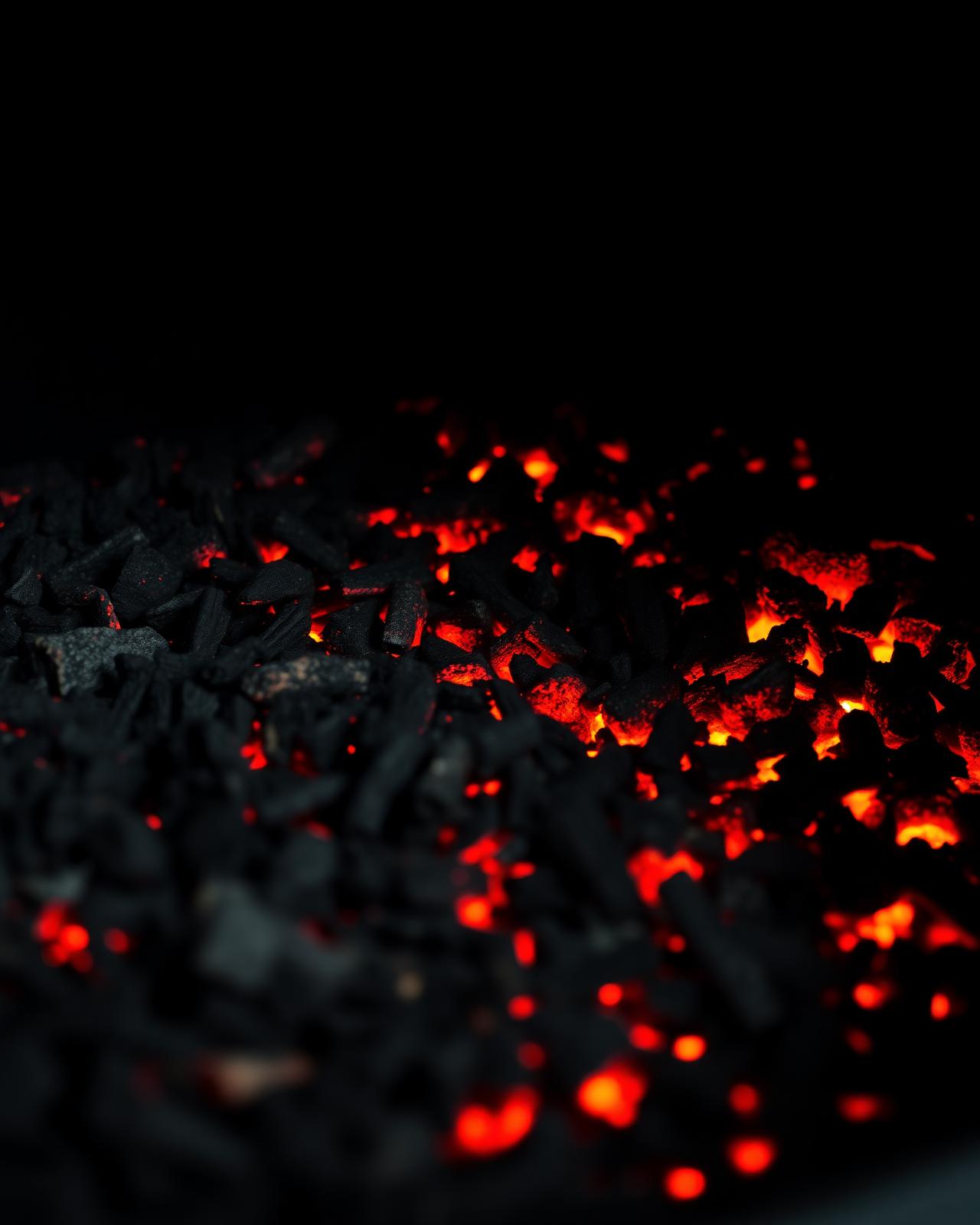
Biochar is a carbon-rich material produced through the pyrolysis (thermal decomposition in the absence of oxygen) of agricultural residues such as corn stalks, rice husks, and sugarcane bagasse. This process locks carbon into a stable form, preventing it from re-entering the atmosphere as CO₂. Prime-Field is currently partnering with Top City Enterprise in Nigeria to deliver a carbon removal project involving over 2,000 farmers through biochar production and on-farm application. We are also piloting the use of rice husk biochar as an element of soil amendment to enhance soil fertility, improve water retention, and reduce reliance on chemical fertilisers for rice farmers in Northern Nigeria.

Carbon Removal Potential & Benefits

  • Locks organic carbon into a highly stable porous solid form for hundreds of years.
  • Acts as a powerful soil amendment that significantly enhances moisture retention capacity.
  • Reduces smallholder reliance on expensive, chemical-heavy commercial fertilizers.
  • Tailors biomass feedstock choices dynamically based on specific regional community availability.
AFRI-Carbon Initiative: Cocoa & Palm Waste
Core SDG Targets
SDG 8SDG 13SDG 15
Biochar Sequestration

AFRI-Carbon Initiative: Cocoa & Palm Waste

Project Overview

The Afri-Carbon Initiative is a comprehensive circular economy framework designed to achieve long-term carbon removal from the atmosphere and drive significant socio-economic development in Nigeria. By utilizing Nigeria’s vast agricultural residues, specifically an estimated 2 million tons of cocoa pod waste and 75 million tons of palm oil waste annually, the project builds a highly scalable, decentralized pyrolysis model. The core objectives include large-scale carbon sequestration, enhanced soil biological fertility, and the creation of sustainable, climate-smart enterprise streams for rural women and youth.

Carbon Removal Potential & Benefits

  • Secures durable geological storage of carbon in agricultural soil for centuries.
  • Transforms abundant regional residues (cocoa shell husks & palm stalks) from waste into circular soil amendments.
  • Improves regional crop drought resistance (+18% yield increases) and organic soil structure.
  • Enables rural communities and cooperatives to receive direct cash dividends from global voluntary carbon markets.
Locally Adapted Clean Cookstoves
Core SDG Targets
SDG 3SDG 5SDG 7
Clean Cookstoves

Locally Adapted Clean Cookstoves

Project Overview

Traditional biomass-based cooking methods (e.g., open fires and inefficient stoves) are a major source of deforestation, indoor air pollution, and greenhouse gas emissions. Prime-Field works with local partners in Ghana and Nigeria to customise clean cookstoves technologies, adapted to local energy needs of rural women and peri-urban markets. Our programs promote the manufacture and distribution of locally adapted clean cookstoves to households and institutions, reducing reliance on unsustainable fuel sources.

Carbon Removal Potential & Benefits

  • Reduces CO₂ emissions from incomplete combustion of wood and charcoal.
  • Mitigates deforestation by decreasing firewood demand, allowing forests to stay alive.
  • Improves public health by lowering exposure to hazardous indoor particulate pollution.
  • Reduces black carbon emissions, a short-lived climate pollutant with high warming potential.
  • Enhances gender equity, releasing women and children from hours spent collecting firewood.
Agroforestry & Reforestation
Core SDG Targets
SDG 13SDG 15SDG 6
Reforestation

Agroforestry & Reforestation

Project Overview

Prime-Field provides comprehensive forest restoration advisory services transforming degraded landscapes into thriving, biodiverse ecosystems while generating carbon sequestration and community benefits. We supported Sierra Leone's environmental agenda, catalysing 2 million trees across the Kenema corridor biodiversity hotspot. Our large-scale programs balance ecological restoration with socioeconomic development, integrating native species selection, climate-resilient practices, and landscape planning to maximize carbon storage, watershed protection, and habitat restoration. Working with governments, NGOs, and communities, we develop forest carbon projects meeting Verra and Gold Standard standards while delivering rural livelihood benefits through sustainable agroforestry, non-timber products, and ecotourism opportunities.

Carbon Removal Potential & Benefits

  • Trees act as natural carbon sinks, absorbing CO₂ from the atmosphere through photosynthesis.
  • Promotes biodiversity conservation by restoring critical habitats for regional wildlife.
  • Reduces soil erosion and improves water retention, mitigating desertification and degradation.
  • Supports sustainable livelihoods through agroforestry and carbon credit income for communities.
Biogas Production and Usage from Food Waste
Core SDG Targets
SDG 7SDG 12SDG 13
Biogas Production

Biogas Production and Usage from Food Waste

Project Overview

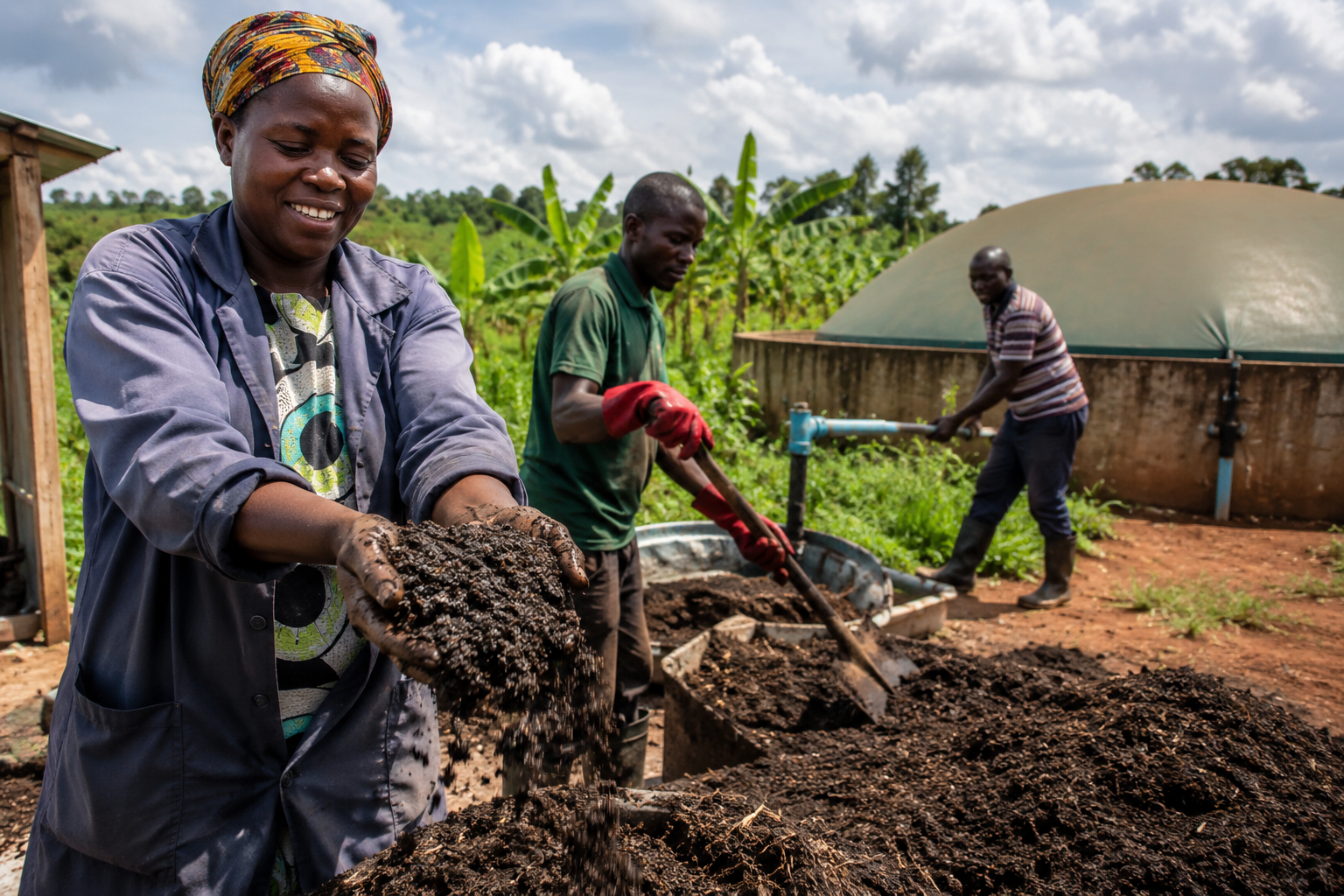
Our Biogas projects in Nigeria/Liberia utilize anaerobic digestion to convert food waste and organic residues such as cassava peels and veggie residues into methane-rich biogas, which can be used for cooking, electricity generation, and industrial applications. The process also produces digestate, a nutrient-rich by-product that can be used as organic fertilizer.

Carbon Removal Potential & Benefits

  • Reduces methane emissions from decomposing organic waste in landfills, which is 25x more potent than CO₂.
  • Provides a clean, renewable decentralized energy source, replacing fossil fuels.
  • Reduces organic waste pollution, contributing directly to sanitation and environment health.
  • Supports circular economy principles, turning food waste into organic agricultural fertilizer.

Let's build a climate-resilient future together.

Whether you're an investor, government, corporate offtaker or implementing partner, we'd love to talk about what comes next.

Headquarters
24 City Road, London, United Kingdom, Post-Code: EC1V2NX
Email
info@prime-fieldconsult.co.uk
Phone
+44 (0) 2035760312
Web
www.prime-fieldconsult.co.uk
Book a consultation

Tell us about your initiative.